
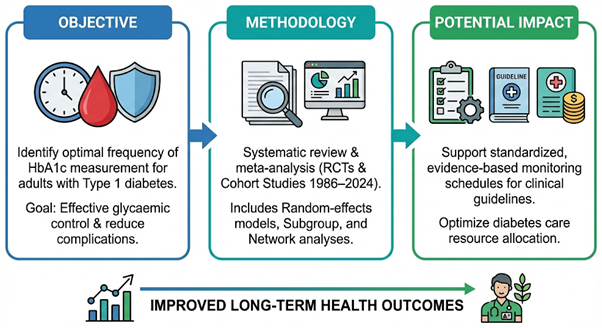
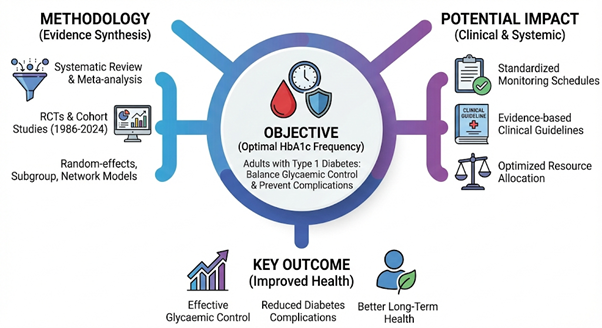
Optimal Frequency of HbA1c Monitoring for Effective Glycaemic Control and Prevention of Complications Amongst Adult Type 1 Diabetes Mellitus Patients: A Systematic Review and Meta-Analysis

Funding agency: World Health Organization) Objective The objective of this project is to rigorously synthesize evidence on how different HbA1c testing frequencies affect glycaemic control and long-term complications in adults with Type 1 Diabetes Mellitus. The review aims to determine the most effective monitoring schedule to support improved clinical outcomes. [...]
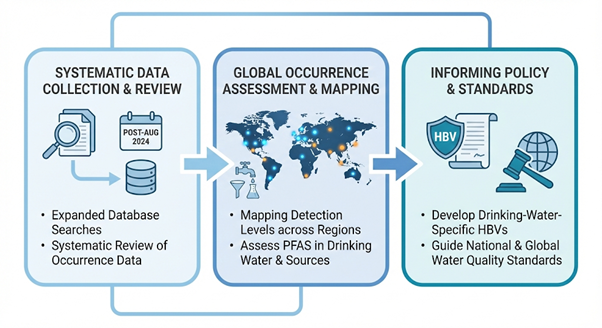
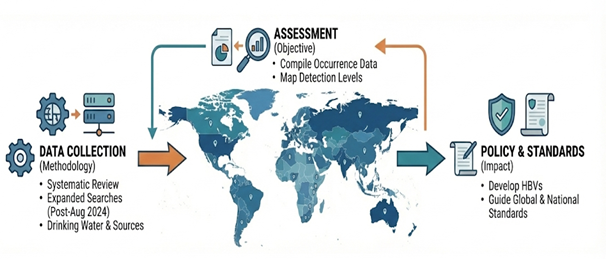
Systematic collection and evaluation of PFAS occurrence data in the water cycle to better understand PFAS occurrence in drinking-water

Funding Agency: World Health Organization (WHO) under the Water, Sanitation, Hygiene and Health Unit within the Environment, Climate Change, One Health, and Migration Department Objective The objective of this project is to evaluate the occurrence of PFAS throughout the water cycle to better understand their presence in drinking water. This [...]

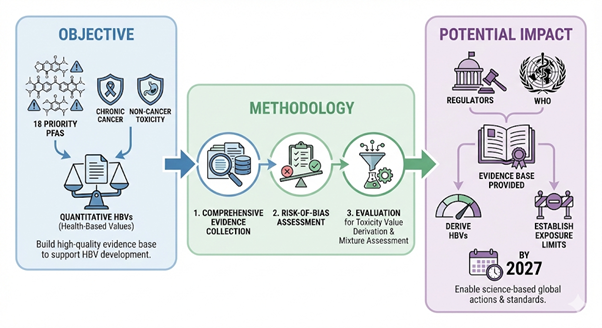
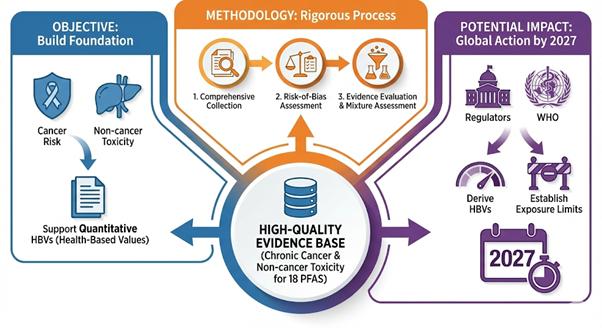
Systematic Evidence Collection and Quality Assessment supporting the risk assessment of chronic cancer and noncancer toxicity values for PFAS

Funding agency: World Health Organization (WHO). Objective The objective of this project is to assess the health impacts of ingested PFAS, especially those present in drinking water, by applying and refining methodologies developed in Phase 1. It further seeks to generate high-quality evidence to support the development of WHO health-based [...]

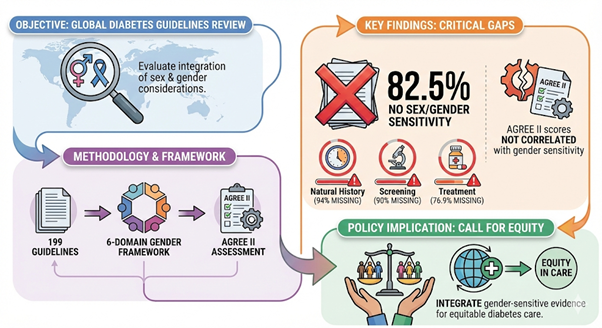
Exploring Sex and Gender Sensitivity in Diabetes Care Guidelines: A Guideline Review

Funded by: DIWAS Objective The project aimed to systematically assess the extent to which national and international diabetes mellitus clinical practice guidelines incorporate sex-specific (biological) and gender-related (socio-cultural) variations in diabetes risk, diagnosis, clinical management, and outcomes. Methodology A structured guideline review framework was applied to evaluate sex and gender [...]

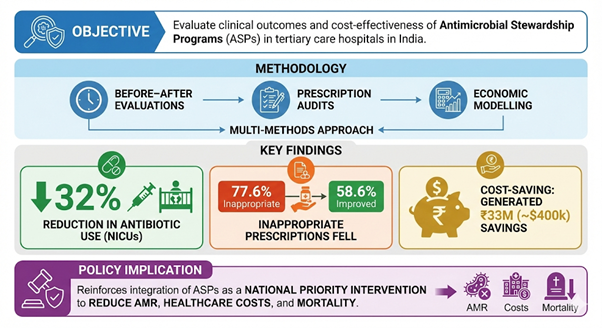
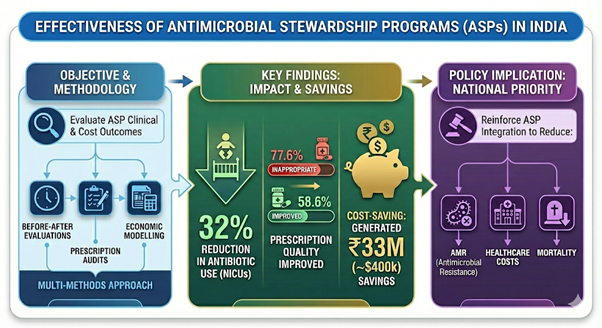
Effectiveness and Cost-Effectiveness of Implementing Antimicrobial Stewardship Program at Tertiary Care Facilities in India: A Multi-Methods Study

Funding agency: International Society of Infectious Diseases/Bill and Melinda Gates Foundation Objective The study aimed to generate robust evidence on the effectiveness and cost-effectiveness of Antimicrobial Stewardship Programs (ASPs) in tertiary care facilities across India, addressing the growing public health threat of Antimicrobial Resistance (AMR). Methodology A multi-methods research design [...]